Safety First Always, Ensuring a Safe environment
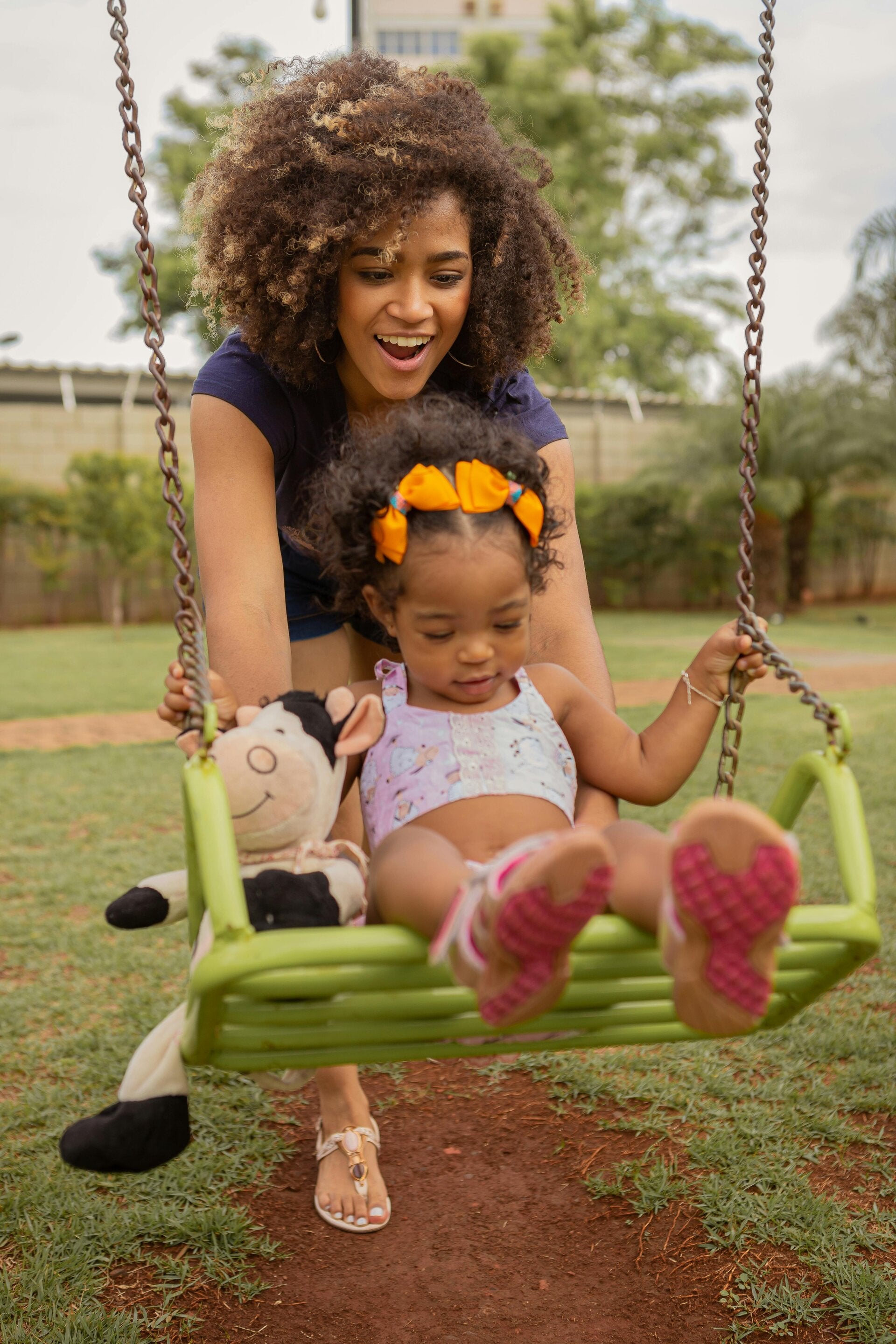
Importance of safety
• Safety is critical for healthy development: it allows children to explore without fear of injury.
• Accidents can happen quickly: falls, choking, burns, or cuts are common in early learning environments.
• Staff strategies: active supervision, hazard-proofing classrooms, teaching children safe practices.
• Example: Toddler rooms include soft flooring, child-proofed cabinets, and age-appropriate toys to reduce risk.
An important role for educators is to design and implement injury prevention strategies in ECE program. to develop polices and strategies that are relevant and practical and effective, educators first understand the nature of childhood injuries and factors that increases (p. 373)
CCEYA and Safety Support
• Staff-to-child ratio for toddlers is 1:5.
• Daily indoor and outdoor inspections.
• Policies for safe sleeping, diapering, and feeding.
• Emergency preparedness: fire drills, first aid, and safe evacuation routes.
• Example: During outdoor play, teachers ensure toddlers are within sight, gates are secure, and equipment is safe.

Safety forms/Routines
1. Daily Safety Checklist: Staff inspect toys, equipment, and play areas; any hazards are corrected immediately.
• Purpose: Ensures a safe environment and complies with CCEYA standards.
2. Incident Report Form: Documents accidents, injuries, and follow-up steps.
• Purpose: Maintains accountability, communicates with families, and informs future prevention strategies.
Create Your Own Website With Webador